

Precision fermentation is emerging as a transformative platform in industrial chemistry, enabling the production of high-value molecules through engineered microbial systems rather than petrochemical synthesis.
Unlike traditional fermentation (used historically for ethanol or antibiotics), microbial fermentation leverages synthetic biology, metabolic engineering, and computational protein design to program microorganisms as molecular production factories. The result: scalable, tunable, and potentially lower-carbon chemical manufacturing.
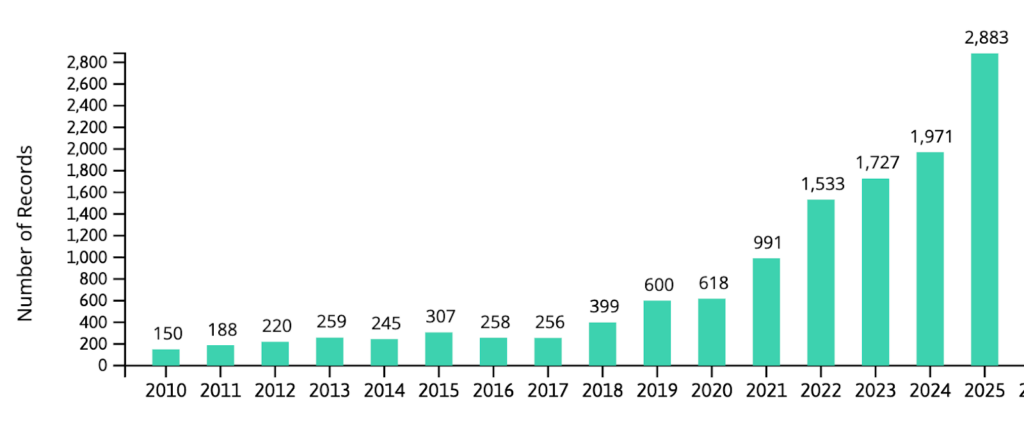
What Is Precision Fermentation?
Precision fermentation involves a sophisticated multi-step bio-engineering process:
- Gene identification and pathway design: Selecting specific sequences to “code” for target molecules.
- Insertion of optimized DNA sequences: Programming host organisms to produce non-native proteins or lipids.
- Metabolic pathway engineering: Fine-tuning cellular energy to maximize yield and minimize waste.
- Scale-up in bioreactors: Moving from 10L lab pilots to 100,000L+ industrial vessels.
- Downstream purification: Isolating high-purity target molecules from the fermentation broth.
Common host organisms include:
- Saccharomyces cerevisiae (Yeast)
- Escherichia coli (Bacteria)
- Filamentous fungi & Engineered microalgae
Unlike traditional petrochemical synthesis, which relies on high-temperature catalytic transformations of hydrocarbons, precision fermentation operates under mild conditions using renewable carbon feedstocks such as glucose, glycerol, or even agricultural waste.
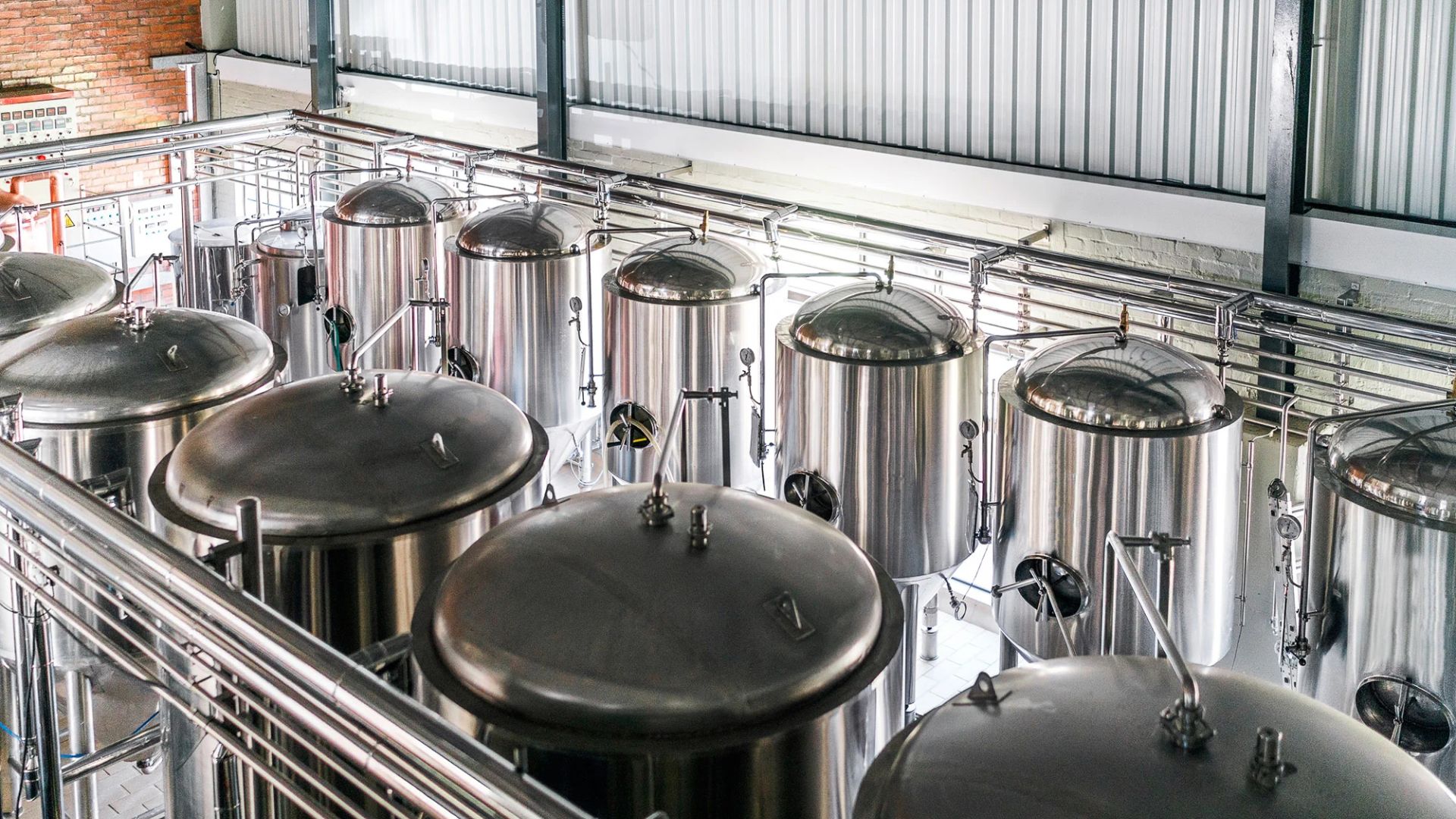
Key Application Areas of Precision Fermentation
Precision fermentation is no longer limited to niche lab experiments; it is a multi-sector “bio-foundry” that scales across diverse industries.
1. Specialty Chemicals & Bio-Materials
Microbial “cell factories” are replacing traditional petrochemical refineries to produce high-purity molecules with lower carbon footprints.
- Bio-Based Intermediates: Production of organic acids (succinic, lactic), alcohols, and 1,4-butanediol (BDO) for biodegradable plastics.
- Textiles & Spider Silk: Companies like Bolt Threads and Spiber use fermentation to grow high-performance, vegan silk and leather alternatives.
- Green Surfactants: Bio-manufactured detergents and personal care ingredients that eliminate the need for palm oil or petroleum.
2. Food Tech & Functional Proteins
This is the most visible segment, moving from “identical” replacements to “enhanced” nutritional profiles.
- Animal-Free Dairy: Perfect Day (whey) and Those Vegan Cowboys (casein) produce proteins identical to cow’s milk, enabling cheese that actually melts and stretches.
- Heme & Flavors: Impossible Foods uses fermented soy leghemoglobin to give plant-based meat a “bleeding” savory profile.
- Infant Nutrition: Production of Human Milk Oligosaccharides (HMOs) and Lactoferrin, rare, high-value bioactive proteins that support immune health.
3. Industrial Enzymes & Bio-Catalysis
Precision fermentation creates “biological machines” that speed up chemical reactions under mild conditions, drastically reducing energy use.
- Plastic Upcycling: Carbios utilizes engineered enzymes to depolymerize PET plastic waste into virgin-quality monomers for infinite recycling.
- Pharma & Diagnostics: Production of high-fidelity polymerases for PCR testing and ligases for gene therapy workflows.
- Custom Strains: Platform players like Ginkgo Bioworks and Arzeda design custom microbes for enterprise clients to replace toxic chemical catalysts.
4. Sustainable & Green Manufacturing
Companies are integrating fermentation into circular economy models to valorize waste.
- Carbon Capture (Gas Fermentation): LanzaTech captures industrial carbon emissions and uses specialized microbes to ferment them into ethanol and jet fuel.
- Agro-Waste Upcycling: Converting agricultural residues (lignocellulosic biomass) into organic acids and specialty oils, reducing reliance on food-competing feedstocks like corn or sugar.
- The Solugen Model: Solugen bypasses traditional fermentation by using engineered enzymes to convert plant-based sugars directly into chemicals like hydrogen peroxide without a bioreactor.
Navigating the Precision Fermentation Patents Landscape in 2026
The intellectual property (IP) surrounding precision fermentation has reached a fever pitch. In the last 12 months, we have seen a significant shift from “discovery patents” to “process and purity patents.” Key players like Lanza Tech and Arsenale Bioyards are securing IP for specific protein micelle structures and sugar-free recombinant compositions, while others are patenting AI-driven strain monitoring tools to bridge the “scaling gap” between lab and industrial production. Monitoring these filings is no longer optional: it is the only way to predict which startups will successfully cross into mainstream manufacturing.
Stay ahead of the competition: For a deep dive into the specific claims, priority dates, and emerging assignees, Download our Linknovate Report: The 2026 Patent Landscape in Precision Fermentation to see which technologies are truly protected and who owns the future of bio-manufacturing.
Trends Shaping Precision Fermentation
The sector is moving beyond R&D into a period of massive infrastructure expansion:
- The Rise of “CDMOs for Biology”: Companies like Liberation Bio are building open-access fermentation infrastructure to help startups scale without the massive CapEx of building their own factories.
- AI-Driven Strain Optimization: Machine learning is slashing the time needed to design “super-producer” microbes, making bio-based chemicals cost-competitive with oil.
- Feedstock Diversification: Moving away from sugar toward lignocellulosic biomass and captured CO₂ to improve the carbon-negative potential of biomanufacturing.
- Hybrid Manufacturing: Integrating fermentation with traditional chemistry (chemo-enzymatic pathways) to create complex molecules that neither process could achieve alone.
Leading Precision Fermentation Startups to Watch
| Company | Focus Area | Impact |
| Geltor | Designer Proteins | Vegan collagen and gelatin for cosmetics and food. |
| Arsenale Bioyards | Biomanufacturing | Reducing production costs by combining precision fermentation with custom-designed bioreactors |
| Arzeda | Computational Design | Designing novel enzymes for industrial chemistry and pharma. |
| Formo | Bio-identical Dairy | Scaling animal-free casein for the European cheese market. |
| Lygos | Microbial Fermentation for Specialty Chemicals | Producing high-value industrial and chemical intermediates via engineered microbes to replace petrochemical processes |
Stay Ahead in Precision Fermentation with Linknovate
Precision fermentation is moving faster than the traditional patent office can track. Are you relying on lagging indicators, or are you seeing the moves before they happen?
Use Linknovate’s discovery engine to cut through the noise. Identify emerging startups, track competitor “stealth” pivots, and map the entire bio-foundry ecosystem in seconds. Don’t just watch the future of chemistry—own your place in it.